


> Home > Artisti Locali >

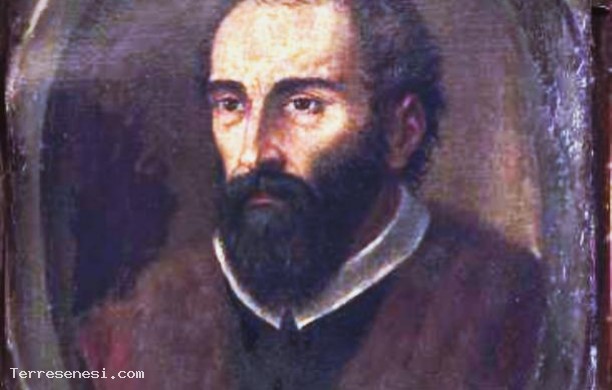
Riccio Bartolomeo Neroni
POLIVALENTE (1500 ca - 1571)
Rinascimentale
RECAPITI E ORARI
Bartolomeo Neroni
Biglietto da visita (vCard)
Bartolomeo Neroni detto il Riccio è nato e si è formato a Siena, dove si conservano anche molte delle sue operei. Artista versatile, ha operato come miniatore, pittore, scenografo ed architetto; essenzialmente in Toscana, spendendo un periodo significativo a Lucca. Dopo il 1555, anno della perdita dell´indipendenza repubblicana di Siena, il Neroni, che aveva diretto la fortificazione delle mura, preferisce abbandonare la città natale. Dalla metà degli anni ´50 fino al 1567 opera a Lucca, dove lascia un segno importante nel panorama culturale della pittura del secondo Cinquecento; al Riccio sembra infatti guardare il pittore lucchese Zacchia il giovane. Stimato dalla nobiltà locale ottiene importanti incarichi da organismi religiosi e pubblici, come la realizzazione delle quattro tele per la cappella maggiore nel Palazzo degli Anziani della Repubblica. Le opere lucchesi testimoniano il linguaggio del Neroni improntato ai dettami della Controriforma e la sua abilità nel creare composizioni scenografiche, ad esempio nella pala, firmata nel 1566, della Trinità (chiesa di S. Paolino), o di efficacia narrativa come la Natività (Museo di Villa Guinigi). A partire dal 1568 Neroni torna a Siena, dove esegue dipinti ed alcuni interventi architettonici. Sotto il profilo stilistico il Riccio si è formato guardando ai modelli pittorici senesi, maturati tra gli anni ´40 e ´50 del secolo XVI, soprattutto seguendo l´esempio del Sodoma e quello del Beccafumi; di quest´ultimo l´artista ha ben saputo elaborare la luminosità cromatica riproponendola in molte sue tele di soggetto sacro. La produzione del Neroni non sembra tuttavia superare i riferimenti artistici formativi, fino alle ultime realizzazioni dopo il ritorno in patria. Nel campo dell´architettura inizialmente elabora progetti vicini all´opera del Peruzzi, seguendo invece nella fase più tarda, il modello più innovativo di Bartolomeo Ammannati.

20 - Come Benedetto manda Mauro in Francia e Placido in Sicilia
RICCIO
Adorazione dei Pastori
RICCIO.jpeg)
Cataletto della Compagnia di Sant'Ansano (smembrato e incorniciato)
RICCIO (1569)
Caterina che offre il mantello a Gesù
RICCIO (1571)
Crocifissione
RICCIO
Crocifissione e Santi
RICCIO
Crocifissione e Santi
RICCIO
Deposizione di Cristo nel sepolcro
RICCIO (1554 circa)
Gesù che restituisce la crocetta a Santa Caterina
RICCIO (1571).jpeg)
Madonna col Bambino e Santi
RICCIO (1545 - 1550 circa).jpeg)
Madonna col Bambino, San Giovanni Battista e Santa Caterina
RICCIO (1570 circa)
Madonna con Santi e Gesù con San Giovannino
RICCIO